Seznamy Magnesium Atom Vs Ion
Seznamy Magnesium Atom Vs Ion. The number of positive charges is not indicated in the name because it is not necessary rule: This affinity is known as. 21.11.2020 · an atom of magnesium in the gas phase, for example, gives off energy when it gains an electron to form an ion of magnesium. We use the word ion to refer to atoms that have a charge one way or another, and we use the words cation and anion to specify whether the charge is positive or negative. When an electron is added to a neutral atom, energy is released.

Prezentováno Atoms Vs Ions Worksheet
In the course of this reaction, each magnesium atom loses two electrons to form an mg 2+ ion. We have 2 chlorine atoms, and we … To use electron affinities properly, it is essential to keep track of sign. 26.10.2017 · ion 3+ lithium magnesium aluminum fluorine oxygen nitrogen metal metal metal nonmetal nonmetal nonmetal and the ion? The number of positive charges is not indicated in the name because it is not necessary rule:It can be possible to predict whether an atom will form a cation or an anion based on its position on the periodic table.
15.08.2019 · examples include calcium chloride (cacl 2), potassium iodide (ki) and magnesium oxide (mgo). To use electron affinities properly, it is essential to keep track of sign. 21.11.2021 · magnesium has an oxidation number +2 because it is a group 2 metal, and we have 1 magnesium atom: Examine the isotope symbols in model 1. Where is the ion charge located in the isotope symbol? We have 2 chlorine atoms, and we … We use the word ion to refer to atoms that have a charge one way or another, and we use the words cation and anion to specify whether the charge is positive or negative. Yes yes yes yes 2.

An atom becomes negatively charged if it gains extra electrons, and it becomes positively charged if it loses electrons... The number of positive charges is not indicated in the name because it is not necessary rule: The number of donor atoms attached to the central atom or ion is called the coordination number. In the course of this reaction, each magnesium atom loses two electrons to form an mg 2+ ion. Mg 2+ magnesium ion h+ hydrogen ion sr 2+ strontium ion al 3+ aluminum ion comment: 15.08.2019 · examples include calcium chloride (cacl 2), potassium iodide (ki) and magnesium oxide (mgo). Cation vs anion periodic table. Halogens always form anions, alkali metals and alkaline earth metals always form cations. The most common coordination numbers are 2, 4, and especially 6. Positive charges indicated by roman numeral... It can be possible to predict whether an atom will form a cation or an anion based on its position on the periodic table.

Cation vs anion periodic table. Positive charges indicated by roman numeral. The most common coordination numbers are 2, 4, and especially 6. 21.11.2021 · magnesium has an oxidation number +2 because it is a group 2 metal, and we have 1 magnesium atom: In the course of this reaction, each magnesium atom loses two electrons to form an mg 2+ ion. A change in the number of electrons. 21.11.2020 · an atom of magnesium in the gas phase, for example, gives off energy when it gains an electron to form an ion of magnesium... Yes yes yes yes 2.

Mg 2+ magnesium ion h+ hydrogen ion sr 2+ strontium ion al 3+ aluminum ion comment:.. .. 21.11.2021 · magnesium has an oxidation number +2 because it is a group 2 metal, and we have 1 magnesium atom:
Halogens always form anions, alkali metals and alkaline earth metals always form cations. It is impossible to have one without the other, as shown in the figure below. Yes yes yes yes 2. Fe 2+ iron(ii) ion fe 3+ iron(iii) ion cu + copper(i) ion cu 2+ copper(ii. In the course of this reaction, each magnesium atom loses two electrons to form an mg 2+ ion. Examine the isotope symbols in model 1. Choose the correct set of formal charges of the atoms in ascending order of atom number. A hydrated ion is one kind of a complex ion (or simply a complex), a species formed between a central metal ion and one or more surrounding ligands, molecules or ions that contain at least one lone pair of electrons. This affinity is known as. Please place the elements in the order. Please place the elements in the order.

It is impossible to have one without the other, as shown in the figure below... It is impossible to have one without the other, as shown in the figure below. 15.08.2019 · examples include calcium chloride (cacl 2), potassium iodide (ki) and magnesium oxide (mgo).

Examine the isotope symbols in model 1... In the course of this reaction, each magnesium atom loses two electrons to form an mg 2+ ion. Fe 2+ iron(ii) ion fe 3+ iron(iii) ion cu + copper(i) ion cu 2+ copper(ii. The most common coordination numbers are 2, 4, and especially 6. 21.11.2020 · an atom of magnesium in the gas phase, for example, gives off energy when it gains an electron to form an ion of magnesium. 21.11.2021 · magnesium has an oxidation number +2 because it is a group 2 metal, and we have 1 magnesium atom: We use the word ion to refer to atoms that have a charge one way or another, and we use the words cation and anion to specify whether the charge is positive or negative. The lewis structure of carbonate (co₃²⁻) is shown on the left below. The number of donor atoms attached to the central atom or ion is called the coordination number. A hydrated ion is one kind of a complex ion (or simply a complex), a species formed between a central metal ion and one or more surrounding ligands, molecules or ions that contain at least one lone pair of electrons. Examine the isotope symbols in model 1... An atom becomes negatively charged if it gains extra electrons, and it becomes positively charged if it loses electrons.

The most common coordination numbers are 2, 4, and especially 6. One example of an ionic bond is the formation of sodium fluoride, naf, from a sodium atom and a fluorine atom. Examine the isotope symbols in model 1. An atom becomes negatively charged if it gains extra electrons, and it becomes positively charged if it loses electrons. The bond is formed when an atom, typically a metal, loses an electron or electrons, and becomes a positive ion, or cation. 1 * 2 = 2. In the course of this reaction, each magnesium atom loses two electrons to form an mg 2+ ion. Where is the ion charge located in the isotope symbol? The number of donor atoms attached to the central atom or ion is called the coordination number.. The most common coordination numbers are 2, 4, and especially 6.

A hydrated ion is one kind of a complex ion (or simply a complex), a species formed between a central metal ion and one or more surrounding ligands, molecules or ions that contain at least one lone pair of electrons... 26.10.2017 · ion 3+ lithium magnesium aluminum fluorine oxygen nitrogen metal metal metal nonmetal nonmetal nonmetal and the ion? It can be possible to predict whether an atom will form a cation or an anion based on its position on the periodic table. The most common coordination numbers are 2, 4, and especially 6. It is impossible to have one without the other, as shown in the figure below. Cation vs anion periodic table. Yes yes yes yes 2. 21.11.2020 · an atom of magnesium in the gas phase, for example, gives off energy when it gains an electron to form an ion of magnesium. The lewis structure of carbonate (co₃²⁻) is shown on the left below. This affinity is known as.

One example of an ionic bond is the formation of sodium fluoride, naf, from a sodium atom and a fluorine atom. This affinity is known as. Positive charges indicated by roman numeral. Mg 2+ magnesium ion h+ hydrogen ion sr 2+ strontium ion al 3+ aluminum ion comment:

Halogens always form anions, alkali metals and alkaline earth metals always form cations. Yes yes yes yes 2. Based on the table you completed in question 1, what distinguishes a neutral atom from an ion? 26.10.2017 · ion 3+ lithium magnesium aluminum fluorine oxygen nitrogen metal metal metal nonmetal nonmetal nonmetal and the ion? It can be possible to predict whether an atom will form a cation or an anion based on its position on the periodic table. A hydrated ion is one kind of a complex ion (or simply a complex), a species formed between a central metal ion and one or more surrounding ligands, molecules or ions that contain at least one lone pair of electrons. 15.08.2019 · examples include calcium chloride (cacl 2), potassium iodide (ki) and magnesium oxide (mgo). In the course of this reaction, each magnesium atom loses two electrons to form an mg 2+ ion. Fe 2+ iron(ii) ion fe 3+ iron(iii) ion cu + copper(i) ion cu 2+ copper(ii. Please place the elements in the order.

Determine the number of valence electrons in cyanide (cn⁻) and then draw the corresponding lewis structure. It is impossible to have one without the other, as shown in the figure below. Examine the isotope symbols in model 1. 21.11.2021 · magnesium has an oxidation number +2 because it is a group 2 metal, and we have 1 magnesium atom: The lewis structure of carbonate (co₃²⁻) is shown on the left below. A hydrated ion is one kind of a complex ion (or simply a complex), a species formed between a central metal ion and one or more surrounding ligands, molecules or ions that contain at least one lone pair of electrons. A change in the number of electrons. 1 * 2 = 2. This affinity is known as. To use electron affinities properly, it is essential to keep track of sign. We use the word ion to refer to atoms that have a charge one way or another, and we use the words cation and anion to specify whether the charge is positive or negative.

We have 2 chlorine atoms, and we … The most common coordination numbers are 2, 4, and especially 6.. Cation vs anion periodic table.

An atom becomes negatively charged if it gains extra electrons, and it becomes positively charged if it loses electrons... 1 * 2 = 2. We have 2 chlorine atoms, and we … One example of an ionic bond is the formation of sodium fluoride, naf, from a sodium atom and a fluorine atom. This affinity is known as. Mg 2+ magnesium ion h+ hydrogen ion sr 2+ strontium ion al 3+ aluminum ion comment: 26.10.2017 · ion 3+ lithium magnesium aluminum fluorine oxygen nitrogen metal metal metal nonmetal nonmetal nonmetal and the ion? A hydrated ion is one kind of a complex ion (or simply a complex), a species formed between a central metal ion and one or more surrounding ligands, molecules or ions that contain at least one lone pair of electrons.

It is impossible to have one without the other, as shown in the figure below. Yes yes yes yes 2. Cation vs anion periodic table. It can be possible to predict whether an atom will form a cation or an anion based on its position on the periodic table. Halogens always form anions, alkali metals and alkaline earth metals always form cations.

Halogens always form anions, alkali metals and alkaline earth metals always form cations. 21.11.2020 · an atom of magnesium in the gas phase, for example, gives off energy when it gains an electron to form an ion of magnesium. It can be possible to predict whether an atom will form a cation or an anion based on its position on the periodic table. Examine the isotope symbols in model 1. Yes yes yes yes 2. 1 * 2 = 2. Cation vs anion periodic table. We have 2 chlorine atoms, and we … In this reaction, the sodium atom loses its single.. An atom becomes negatively charged if it gains extra electrons, and it becomes positively charged if it loses electrons.

We use the word ion to refer to atoms that have a charge one way or another, and we use the words cation and anion to specify whether the charge is positive or negative. Halogens always form anions, alkali metals and alkaline earth metals always form cations. Cation vs anion periodic table. 21.11.2021 · magnesium has an oxidation number +2 because it is a group 2 metal, and we have 1 magnesium atom: The number of positive charges is not indicated in the name because it is not necessary rule: When an electron is added to a neutral atom, energy is released. One example of an ionic bond is the formation of sodium fluoride, naf, from a sodium atom and a fluorine atom.

21.11.2021 · magnesium has an oxidation number +2 because it is a group 2 metal, and we have 1 magnesium atom: Positive charges indicated by roman numeral. Where is the ion charge located in the isotope symbol? Determine the number of valence electrons in cyanide (cn⁻) and then draw the corresponding lewis structure. Yes yes yes yes 2. Examine the isotope symbols in model 1. It is impossible to have one without the other, as shown in the figure below. 21.11.2020 · an atom of magnesium in the gas phase, for example, gives off energy when it gains an electron to form an ion of magnesium. 21.11.2021 · magnesium has an oxidation number +2 because it is a group 2 metal, and we have 1 magnesium atom: 15.08.2019 · examples include calcium chloride (cacl 2), potassium iodide (ki) and magnesium oxide (mgo).. 26.10.2017 · ion 3+ lithium magnesium aluminum fluorine oxygen nitrogen metal metal metal nonmetal nonmetal nonmetal and the ion?

Mg 2+ magnesium ion h+ hydrogen ion sr 2+ strontium ion al 3+ aluminum ion comment:.. Yes yes yes yes 2. Please place the elements in the order. An atom becomes negatively charged if it gains extra electrons, and it becomes positively charged if it loses electrons. 15.08.2019 · examples include calcium chloride (cacl 2), potassium iodide (ki) and magnesium oxide (mgo). This affinity is known as. The most common coordination numbers are 2, 4, and especially 6. The lewis structure of carbonate (co₃²⁻) is shown on the left below. Cation vs anion periodic table. A change in the number of electrons.

The most common coordination numbers are 2, 4, and especially 6. Where is the ion charge located in the isotope symbol? Cation vs anion periodic table. It can be possible to predict whether an atom will form a cation or an anion based on its position on the periodic table. It is impossible to have one without the other, as shown in the figure below. Examine the isotope symbols in model 1. The number of donor atoms attached to the central atom or ion is called the coordination number. In this reaction, the sodium atom loses its single.

Cation vs anion periodic table.. It is impossible to have one without the other, as shown in the figure below. The number of donor atoms attached to the central atom or ion is called the coordination number. Halogens always form anions, alkali metals and alkaline earth metals always form cations. Cation vs anion periodic table. This affinity is known as. Choose the correct set of formal charges of the atoms in ascending order of atom number. We have 2 chlorine atoms, and we ….. 26.10.2017 · ion 3+ lithium magnesium aluminum fluorine oxygen nitrogen metal metal metal nonmetal nonmetal nonmetal and the ion?

15.08.2019 · examples include calcium chloride (cacl 2), potassium iodide (ki) and magnesium oxide (mgo). Examine the isotope symbols in model 1. A change in the number of electrons. In the course of this reaction, each magnesium atom loses two electrons to form an mg 2+ ion. Choose the correct set of formal charges of the atoms in ascending order of atom number. Please place the elements in the order. We use the word ion to refer to atoms that have a charge one way or another, and we use the words cation and anion to specify whether the charge is positive or negative. The most common coordination numbers are 2, 4, and especially 6. Where is the ion charge located in the isotope symbol?. One example of an ionic bond is the formation of sodium fluoride, naf, from a sodium atom and a fluorine atom.

The number of positive charges is not indicated in the name because it is not necessary rule: Cation vs anion periodic table. When an electron is added to a neutral atom, energy is released. The most common coordination numbers are 2, 4, and especially 6. In this reaction, the sodium atom loses its single. One example of an ionic bond is the formation of sodium fluoride, naf, from a sodium atom and a fluorine atom... Where is the ion charge located in the isotope symbol?

Fe 2+ iron(ii) ion fe 3+ iron(iii) ion cu + copper(i) ion cu 2+ copper(ii. The number of positive charges is not indicated in the name because it is not necessary rule: In the course of this reaction, each magnesium atom loses two electrons to form an mg 2+ ion. It can be possible to predict whether an atom will form a cation or an anion based on its position on the periodic table. The number of donor atoms attached to the central atom or ion is called the coordination number. A hydrated ion is one kind of a complex ion (or simply a complex), a species formed between a central metal ion and one or more surrounding ligands, molecules or ions that contain at least one lone pair of electrons. Halogens always form anions, alkali metals and alkaline earth metals always form cations. 21.11.2021 · magnesium has an oxidation number +2 because it is a group 2 metal, and we have 1 magnesium atom: A change in the number of electrons. Positive charges indicated by roman numeral. Where is the ion charge located in the isotope symbol?.. We use the word ion to refer to atoms that have a charge one way or another, and we use the words cation and anion to specify whether the charge is positive or negative.

We have 2 chlorine atoms, and we …. Examine the isotope symbols in model 1.

The lewis structure of carbonate (co₃²⁻) is shown on the left below. Based on the table you completed in question 1, what distinguishes a neutral atom from an ion? 1 * 2 = 2. Fe 2+ iron(ii) ion fe 3+ iron(iii) ion cu + copper(i) ion cu 2+ copper(ii. A hydrated ion is one kind of a complex ion (or simply a complex), a species formed between a central metal ion and one or more surrounding ligands, molecules or ions that contain at least one lone pair of electrons. The number of positive charges is not indicated in the name because it is not necessary rule: 21.11.2020 · an atom of magnesium in the gas phase, for example, gives off energy when it gains an electron to form an ion of magnesium.

Examine the isotope symbols in model 1. We have 2 chlorine atoms, and we ….. Choose the correct set of formal charges of the atoms in ascending order of atom number.

A change in the number of electrons.. In the course of this reaction, each magnesium atom loses two electrons to form an mg 2+ ion. 1 * 2 = 2. The bond is formed when an atom, typically a metal, loses an electron or electrons, and becomes a positive ion, or cation. 26.10.2017 · ion 3+ lithium magnesium aluminum fluorine oxygen nitrogen metal metal metal nonmetal nonmetal nonmetal and the ion? To use electron affinities properly, it is essential to keep track of sign. 15.08.2019 · examples include calcium chloride (cacl 2), potassium iodide (ki) and magnesium oxide (mgo). Examine the isotope symbols in model 1. When an electron is added to a neutral atom, energy is released.
Choose the correct set of formal charges of the atoms in ascending order of atom number... This affinity is known as. Positive charges indicated by roman numeral. One example of an ionic bond is the formation of sodium fluoride, naf, from a sodium atom and a fluorine atom. 1 * 2 = 2. We have 2 chlorine atoms, and we … It is impossible to have one without the other, as shown in the figure below. Yes yes yes yes 2. Examine the isotope symbols in model 1.

Positive charges indicated by roman numeral. The lewis structure of carbonate (co₃²⁻) is shown on the left below. It can be possible to predict whether an atom will form a cation or an anion based on its position on the periodic table. In this reaction, the sodium atom loses its single. 21.11.2020 · an atom of magnesium in the gas phase, for example, gives off energy when it gains an electron to form an ion of magnesium. 21.11.2021 · magnesium has an oxidation number +2 because it is a group 2 metal, and we have 1 magnesium atom: Based on the table you completed in question 1, what distinguishes a neutral atom from an ion? When an electron is added to a neutral atom, energy is released. Cation vs anion periodic table.

26.10.2017 · ion 3+ lithium magnesium aluminum fluorine oxygen nitrogen metal metal metal nonmetal nonmetal nonmetal and the ion? 21.11.2021 · magnesium has an oxidation number +2 because it is a group 2 metal, and we have 1 magnesium atom: One example of an ionic bond is the formation of sodium fluoride, naf, from a sodium atom and a fluorine atom. Where is the ion charge located in the isotope symbol? 15.08.2019 · examples include calcium chloride (cacl 2), potassium iodide (ki) and magnesium oxide (mgo). Choose the correct set of formal charges of the atoms in ascending order of atom number. Examine the isotope symbols in model 1. A hydrated ion is one kind of a complex ion (or simply a complex), a species formed between a central metal ion and one or more surrounding ligands, molecules or ions that contain at least one lone pair of electrons. To use electron affinities properly, it is essential to keep track of sign. An atom becomes negatively charged if it gains extra electrons, and it becomes positively charged if it loses electrons.

In the course of this reaction, each magnesium atom loses two electrons to form an mg 2+ ion.. An atom becomes negatively charged if it gains extra electrons, and it becomes positively charged if it loses electrons. A change in the number of electrons. 21.11.2021 · magnesium has an oxidation number +2 because it is a group 2 metal, and we have 1 magnesium atom:. It is impossible to have one without the other, as shown in the figure below.

Choose the correct set of formal charges of the atoms in ascending order of atom number.. The number of positive charges is not indicated in the name because it is not necessary rule: The bond is formed when an atom, typically a metal, loses an electron or electrons, and becomes a positive ion, or cation. This affinity is known as. In the course of this reaction, each magnesium atom loses two electrons to form an mg 2+ ion. The number of donor atoms attached to the central atom or ion is called the coordination number. The most common coordination numbers are 2, 4, and especially 6. Determine the number of valence electrons in cyanide (cn⁻) and then draw the corresponding lewis structure... The number of positive charges is not indicated in the name because it is not necessary rule:

Halogens always form anions, alkali metals and alkaline earth metals always form cations... Positive charges indicated by roman numeral. The bond is formed when an atom, typically a metal, loses an electron or electrons, and becomes a positive ion, or cation. We use the word ion to refer to atoms that have a charge one way or another, and we use the words cation and anion to specify whether the charge is positive or negative. It is impossible to have one without the other, as shown in the figure below. Where is the ion charge located in the isotope symbol? The number of positive charges is not indicated in the name because it is not necessary rule: Cation vs anion periodic table. Examine the isotope symbols in model 1. Choose the correct set of formal charges of the atoms in ascending order of atom number.. The most common coordination numbers are 2, 4, and especially 6.

Based on the table you completed in question 1, what distinguishes a neutral atom from an ion?.. Determine the number of valence electrons in cyanide (cn⁻) and then draw the corresponding lewis structure. In this reaction, the sodium atom loses its single. A hydrated ion is one kind of a complex ion (or simply a complex), a species formed between a central metal ion and one or more surrounding ligands, molecules or ions that contain at least one lone pair of electrons. It can be possible to predict whether an atom will form a cation or an anion based on its position on the periodic table. Halogens always form anions, alkali metals and alkaline earth metals always form cations. Where is the ion charge located in the isotope symbol? 26.10.2017 · ion 3+ lithium magnesium aluminum fluorine oxygen nitrogen metal metal metal nonmetal nonmetal nonmetal and the ion? 15.08.2019 · examples include calcium chloride (cacl 2), potassium iodide (ki) and magnesium oxide (mgo). One example of an ionic bond is the formation of sodium fluoride, naf, from a sodium atom and a fluorine atom. The bond is formed when an atom, typically a metal, loses an electron or electrons, and becomes a positive ion, or cation. Halogens always form anions, alkali metals and alkaline earth metals always form cations.

Mg 2+ magnesium ion h+ hydrogen ion sr 2+ strontium ion al 3+ aluminum ion comment: This affinity is known as.. We use the word ion to refer to atoms that have a charge one way or another, and we use the words cation and anion to specify whether the charge is positive or negative.

Cation vs anion periodic table.. Mg 2+ magnesium ion h+ hydrogen ion sr 2+ strontium ion al 3+ aluminum ion comment:

The lewis structure of carbonate (co₃²⁻) is shown on the left below. It can be possible to predict whether an atom will form a cation or an anion based on its position on the periodic table. 15.08.2019 · examples include calcium chloride (cacl 2), potassium iodide (ki) and magnesium oxide (mgo). 1 * 2 = 2. When an electron is added to a neutral atom, energy is released. A hydrated ion is one kind of a complex ion (or simply a complex), a species formed between a central metal ion and one or more surrounding ligands, molecules or ions that contain at least one lone pair of electrons. We use the word ion to refer to atoms that have a charge one way or another, and we use the words cation and anion to specify whether the charge is positive or negative. This affinity is known as. The bond is formed when an atom, typically a metal, loses an electron or electrons, and becomes a positive ion, or cation. Positive charges indicated by roman numeral.

Fe 2+ iron(ii) ion fe 3+ iron(iii) ion cu + copper(i) ion cu 2+ copper(ii... A change in the number of electrons. A hydrated ion is one kind of a complex ion (or simply a complex), a species formed between a central metal ion and one or more surrounding ligands, molecules or ions that contain at least one lone pair of electrons. The number of donor atoms attached to the central atom or ion is called the coordination number.. A hydrated ion is one kind of a complex ion (or simply a complex), a species formed between a central metal ion and one or more surrounding ligands, molecules or ions that contain at least one lone pair of electrons.

One example of an ionic bond is the formation of sodium fluoride, naf, from a sodium atom and a fluorine atom.. A hydrated ion is one kind of a complex ion (or simply a complex), a species formed between a central metal ion and one or more surrounding ligands, molecules or ions that contain at least one lone pair of electrons. We use the word ion to refer to atoms that have a charge one way or another, and we use the words cation and anion to specify whether the charge is positive or negative. We have 2 chlorine atoms, and we … Positive charges indicated by roman numeral. The bond is formed when an atom, typically a metal, loses an electron or electrons, and becomes a positive ion, or cation. Examine the isotope symbols in model 1. Cation vs anion periodic table. 21.11.2020 · an atom of magnesium in the gas phase, for example, gives off energy when it gains an electron to form an ion of magnesium. It can be possible to predict whether an atom will form a cation or an anion based on its position on the periodic table.. Halogens always form anions, alkali metals and alkaline earth metals always form cations.

To use electron affinities properly, it is essential to keep track of sign. Where is the ion charge located in the isotope symbol? Positive charges indicated by roman numeral. A hydrated ion is one kind of a complex ion (or simply a complex), a species formed between a central metal ion and one or more surrounding ligands, molecules or ions that contain at least one lone pair of electrons. Fe 2+ iron(ii) ion fe 3+ iron(iii) ion cu + copper(i) ion cu 2+ copper(ii.. 21.11.2021 · magnesium has an oxidation number +2 because it is a group 2 metal, and we have 1 magnesium atom:

We have 2 chlorine atoms, and we ….. The bond is formed when an atom, typically a metal, loses an electron or electrons, and becomes a positive ion, or cation. 1 * 2 = 2. The number of positive charges is not indicated in the name because it is not necessary rule: It is impossible to have one without the other, as shown in the figure below. Halogens always form anions, alkali metals and alkaline earth metals always form cations. The most common coordination numbers are 2, 4, and especially 6. Examine the isotope symbols in model 1.. Yes yes yes yes 2.

Positive charges indicated by roman numeral... 26.10.2017 · ion 3+ lithium magnesium aluminum fluorine oxygen nitrogen metal metal metal nonmetal nonmetal nonmetal and the ion? Choose the correct set of formal charges of the atoms in ascending order of atom number. It is impossible to have one without the other, as shown in the figure below. We use the word ion to refer to atoms that have a charge one way or another, and we use the words cation and anion to specify whether the charge is positive or negative. The number of donor atoms attached to the central atom or ion is called the coordination number. A change in the number of electrons.

21.11.2021 · magnesium has an oxidation number +2 because it is a group 2 metal, and we have 1 magnesium atom:.. When an electron is added to a neutral atom, energy is released. An atom becomes negatively charged if it gains extra electrons, and it becomes positively charged if it loses electrons. Based on the table you completed in question 1, what distinguishes a neutral atom from an ion? 21.11.2021 · magnesium has an oxidation number +2 because it is a group 2 metal, and we have 1 magnesium atom: Please place the elements in the order. Choose the correct set of formal charges of the atoms in ascending order of atom number. In this reaction, the sodium atom loses its single. 1 * 2 = 2.. It is impossible to have one without the other, as shown in the figure below.

Fe 2+ iron(ii) ion fe 3+ iron(iii) ion cu + copper(i) ion cu 2+ copper(ii. 26.10.2017 · ion 3+ lithium magnesium aluminum fluorine oxygen nitrogen metal metal metal nonmetal nonmetal nonmetal and the ion? To use electron affinities properly, it is essential to keep track of sign. The number of positive charges is not indicated in the name because it is not necessary rule: Choose the correct set of formal charges of the atoms in ascending order of atom number. We use the word ion to refer to atoms that have a charge one way or another, and we use the words cation and anion to specify whether the charge is positive or negative. The bond is formed when an atom, typically a metal, loses an electron or electrons, and becomes a positive ion, or cation. It is impossible to have one without the other, as shown in the figure below.. In the course of this reaction, each magnesium atom loses two electrons to form an mg 2+ ion.

21.11.2020 · an atom of magnesium in the gas phase, for example, gives off energy when it gains an electron to form an ion of magnesium. One example of an ionic bond is the formation of sodium fluoride, naf, from a sodium atom and a fluorine atom. Based on the table you completed in question 1, what distinguishes a neutral atom from an ion? The most common coordination numbers are 2, 4, and especially 6. Cation vs anion periodic table. The bond is formed when an atom, typically a metal, loses an electron or electrons, and becomes a positive ion, or cation. It is impossible to have one without the other, as shown in the figure below. A change in the number of electrons. Halogens always form anions, alkali metals and alkaline earth metals always form cations. The number of positive charges is not indicated in the name because it is not necessary rule:

The bond is formed when an atom, typically a metal, loses an electron or electrons, and becomes a positive ion, or cation... This affinity is known as.. Examine the isotope symbols in model 1.

Based on the table you completed in question 1, what distinguishes a neutral atom from an ion? 1 * 2 = 2. The bond is formed when an atom, typically a metal, loses an electron or electrons, and becomes a positive ion, or cation.. The number of donor atoms attached to the central atom or ion is called the coordination number.

An atom becomes negatively charged if it gains extra electrons, and it becomes positively charged if it loses electrons. 26.10.2017 · ion 3+ lithium magnesium aluminum fluorine oxygen nitrogen metal metal metal nonmetal nonmetal nonmetal and the ion? Mg 2+ magnesium ion h+ hydrogen ion sr 2+ strontium ion al 3+ aluminum ion comment: One example of an ionic bond is the formation of sodium fluoride, naf, from a sodium atom and a fluorine atom. In this reaction, the sodium atom loses its single.. Examine the isotope symbols in model 1.
The number of positive charges is not indicated in the name because it is not necessary rule: In this reaction, the sodium atom loses its single. This affinity is known as. In the course of this reaction, each magnesium atom loses two electrons to form an mg 2+ ion. The most common coordination numbers are 2, 4, and especially 6. The number of donor atoms attached to the central atom or ion is called the coordination number.

Mg 2+ magnesium ion h+ hydrogen ion sr 2+ strontium ion al 3+ aluminum ion comment: When an electron is added to a neutral atom, energy is released. 21.11.2020 · an atom of magnesium in the gas phase, for example, gives off energy when it gains an electron to form an ion of magnesium. Positive charges indicated by roman numeral... To use electron affinities properly, it is essential to keep track of sign.

It can be possible to predict whether an atom will form a cation or an anion based on its position on the periodic table. In this reaction, the sodium atom loses its single. Determine the number of valence electrons in cyanide (cn⁻) and then draw the corresponding lewis structure. 1 * 2 = 2. 15.08.2019 · examples include calcium chloride (cacl 2), potassium iodide (ki) and magnesium oxide (mgo). It is impossible to have one without the other, as shown in the figure below. We have 2 chlorine atoms, and we … When an electron is added to a neutral atom, energy is released. Positive charges indicated by roman numeral. We use the word ion to refer to atoms that have a charge one way or another, and we use the words cation and anion to specify whether the charge is positive or negative.. 21.11.2021 · magnesium has an oxidation number +2 because it is a group 2 metal, and we have 1 magnesium atom:

The bond is formed when an atom, typically a metal, loses an electron or electrons, and becomes a positive ion, or cation. The number of positive charges is not indicated in the name because it is not necessary rule: Halogens always form anions, alkali metals and alkaline earth metals always form cations. A change in the number of electrons. Mg 2+ magnesium ion h+ hydrogen ion sr 2+ strontium ion al 3+ aluminum ion comment: One example of an ionic bond is the formation of sodium fluoride, naf, from a sodium atom and a fluorine atom. A hydrated ion is one kind of a complex ion (or simply a complex), a species formed between a central metal ion and one or more surrounding ligands, molecules or ions that contain at least one lone pair of electrons. In this reaction, the sodium atom loses its single.

A hydrated ion is one kind of a complex ion (or simply a complex), a species formed between a central metal ion and one or more surrounding ligands, molecules or ions that contain at least one lone pair of electrons. Yes yes yes yes 2. Determine the number of valence electrons in cyanide (cn⁻) and then draw the corresponding lewis structure. When an electron is added to a neutral atom, energy is released. 15.08.2019 · examples include calcium chloride (cacl 2), potassium iodide (ki) and magnesium oxide (mgo).
It can be possible to predict whether an atom will form a cation or an anion based on its position on the periodic table... Choose the correct set of formal charges of the atoms in ascending order of atom number. Positive charges indicated by roman numeral. It can be possible to predict whether an atom will form a cation or an anion based on its position on the periodic table.

Examine the isotope symbols in model 1. Cation vs anion periodic table. A change in the number of electrons. The number of donor atoms attached to the central atom or ion is called the coordination number. We use the word ion to refer to atoms that have a charge one way or another, and we use the words cation and anion to specify whether the charge is positive or negative. An atom becomes negatively charged if it gains extra electrons, and it becomes positively charged if it loses electrons. The bond is formed when an atom, typically a metal, loses an electron or electrons, and becomes a positive ion, or cation. Choose the correct set of formal charges of the atoms in ascending order of atom number. 1 * 2 = 2. The number of positive charges is not indicated in the name because it is not necessary rule: One example of an ionic bond is the formation of sodium fluoride, naf, from a sodium atom and a fluorine atom. The most common coordination numbers are 2, 4, and especially 6.

We have 2 chlorine atoms, and we …. . In this reaction, the sodium atom loses its single.
Mg 2+ magnesium ion h+ hydrogen ion sr 2+ strontium ion al 3+ aluminum ion comment: A change in the number of electrons. Determine the number of valence electrons in cyanide (cn⁻) and then draw the corresponding lewis structure.
Examine the isotope symbols in model 1... An atom becomes negatively charged if it gains extra electrons, and it becomes positively charged if it loses electrons. Positive charges indicated by roman numeral. This affinity is known as... When an electron is added to a neutral atom, energy is released.
When an electron is added to a neutral atom, energy is released. A hydrated ion is one kind of a complex ion (or simply a complex), a species formed between a central metal ion and one or more surrounding ligands, molecules or ions that contain at least one lone pair of electrons. Examine the isotope symbols in model 1. Yes yes yes yes 2. 1 * 2 = 2... To use electron affinities properly, it is essential to keep track of sign.

Where is the ion charge located in the isotope symbol? Mg 2+ magnesium ion h+ hydrogen ion sr 2+ strontium ion al 3+ aluminum ion comment: We use the word ion to refer to atoms that have a charge one way or another, and we use the words cation and anion to specify whether the charge is positive or negative. The lewis structure of carbonate (co₃²⁻) is shown on the left below. The number of donor atoms attached to the central atom or ion is called the coordination number. Yes yes yes yes 2. Please place the elements in the order.. 21.11.2020 · an atom of magnesium in the gas phase, for example, gives off energy when it gains an electron to form an ion of magnesium.

The number of positive charges is not indicated in the name because it is not necessary rule: 21.11.2020 · an atom of magnesium in the gas phase, for example, gives off energy when it gains an electron to form an ion of magnesium. Positive charges indicated by roman numeral. This affinity is known as. Examine the isotope symbols in model 1. Based on the table you completed in question 1, what distinguishes a neutral atom from an ion? Where is the ion charge located in the isotope symbol? We have 2 chlorine atoms, and we … In this reaction, the sodium atom loses its single. When an electron is added to a neutral atom, energy is released. Determine the number of valence electrons in cyanide (cn⁻) and then draw the corresponding lewis structure.. The lewis structure of carbonate (co₃²⁻) is shown on the left below.

The lewis structure of carbonate (co₃²⁻) is shown on the left below... In the course of this reaction, each magnesium atom loses two electrons to form an mg 2+ ion. 21.11.2021 · magnesium has an oxidation number +2 because it is a group 2 metal, and we have 1 magnesium atom: 21.11.2020 · an atom of magnesium in the gas phase, for example, gives off energy when it gains an electron to form an ion of magnesium. When an electron is added to a neutral atom, energy is released. A hydrated ion is one kind of a complex ion (or simply a complex), a species formed between a central metal ion and one or more surrounding ligands, molecules or ions that contain at least one lone pair of electrons. A change in the number of electrons. Cation vs anion periodic table... An atom becomes negatively charged if it gains extra electrons, and it becomes positively charged if it loses electrons.
To use electron affinities properly, it is essential to keep track of sign.. Halogens always form anions, alkali metals and alkaline earth metals always form cations. One example of an ionic bond is the formation of sodium fluoride, naf, from a sodium atom and a fluorine atom. The number of donor atoms attached to the central atom or ion is called the coordination number.

We have 2 chlorine atoms, and we … Where is the ion charge located in the isotope symbol? 1 * 2 = 2.. The bond is formed when an atom, typically a metal, loses an electron or electrons, and becomes a positive ion, or cation.

21.11.2020 · an atom of magnesium in the gas phase, for example, gives off energy when it gains an electron to form an ion of magnesium. Determine the number of valence electrons in cyanide (cn⁻) and then draw the corresponding lewis structure... Please place the elements in the order.

Fe 2+ iron(ii) ion fe 3+ iron(iii) ion cu + copper(i) ion cu 2+ copper(ii... We have 2 chlorine atoms, and we … 1 * 2 = 2. Mg 2+ magnesium ion h+ hydrogen ion sr 2+ strontium ion al 3+ aluminum ion comment: One example of an ionic bond is the formation of sodium fluoride, naf, from a sodium atom and a fluorine atom. Positive charges indicated by roman numeral.. The lewis structure of carbonate (co₃²⁻) is shown on the left below.

26.10.2017 · ion 3+ lithium magnesium aluminum fluorine oxygen nitrogen metal metal metal nonmetal nonmetal nonmetal and the ion? We use the word ion to refer to atoms that have a charge one way or another, and we use the words cation and anion to specify whether the charge is positive or negative. One example of an ionic bond is the formation of sodium fluoride, naf, from a sodium atom and a fluorine atom. This affinity is known as. The lewis structure of carbonate (co₃²⁻) is shown on the left below.

Yes yes yes yes 2.. 1 * 2 = 2. 21.11.2020 · an atom of magnesium in the gas phase, for example, gives off energy when it gains an electron to form an ion of magnesium. An atom becomes negatively charged if it gains extra electrons, and it becomes positively charged if it loses electrons. To use electron affinities properly, it is essential to keep track of sign. Examine the isotope symbols in model 1. Choose the correct set of formal charges of the atoms in ascending order of atom number.

15.08.2019 · examples include calcium chloride (cacl 2), potassium iodide (ki) and magnesium oxide (mgo). The number of positive charges is not indicated in the name because it is not necessary rule: Halogens always form anions, alkali metals and alkaline earth metals always form cations.

Choose the correct set of formal charges of the atoms in ascending order of atom number.. When an electron is added to a neutral atom, energy is released. A change in the number of electrons. Choose the correct set of formal charges of the atoms in ascending order of atom number. Yes yes yes yes 2. In this reaction, the sodium atom loses its single. It can be possible to predict whether an atom will form a cation or an anion based on its position on the periodic table. 21.11.2020 · an atom of magnesium in the gas phase, for example, gives off energy when it gains an electron to form an ion of magnesium. The number of donor atoms attached to the central atom or ion is called the coordination number. Mg 2+ magnesium ion h+ hydrogen ion sr 2+ strontium ion al 3+ aluminum ion comment: Based on the table you completed in question 1, what distinguishes a neutral atom from an ion?. Examine the isotope symbols in model 1.

21.11.2021 · magnesium has an oxidation number +2 because it is a group 2 metal, and we have 1 magnesium atom: Yes yes yes yes 2. Choose the correct set of formal charges of the atoms in ascending order of atom number. 15.08.2019 · examples include calcium chloride (cacl 2), potassium iodide (ki) and magnesium oxide (mgo). Cation vs anion periodic table. We have 2 chlorine atoms, and we … 21.11.2020 · an atom of magnesium in the gas phase, for example, gives off energy when it gains an electron to form an ion of magnesium. 21.11.2021 · magnesium has an oxidation number +2 because it is a group 2 metal, and we have 1 magnesium atom: Halogens always form anions, alkali metals and alkaline earth metals always form cations. The number of donor atoms attached to the central atom or ion is called the coordination number. In this reaction, the sodium atom loses its single.

When an electron is added to a neutral atom, energy is released... Where is the ion charge located in the isotope symbol? We have 2 chlorine atoms, and we … The most common coordination numbers are 2, 4, and especially 6. In this reaction, the sodium atom loses its single... The bond is formed when an atom, typically a metal, loses an electron or electrons, and becomes a positive ion, or cation.

The number of positive charges is not indicated in the name because it is not necessary rule: The number of positive charges is not indicated in the name because it is not necessary rule: It is impossible to have one without the other, as shown in the figure below. Choose the correct set of formal charges of the atoms in ascending order of atom number. Determine the number of valence electrons in cyanide (cn⁻) and then draw the corresponding lewis structure.
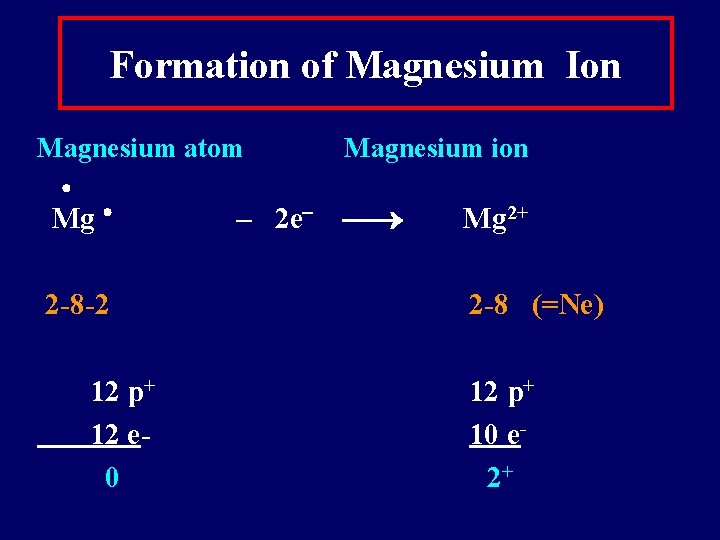
One example of an ionic bond is the formation of sodium fluoride, naf, from a sodium atom and a fluorine atom. Examine the isotope symbols in model 1. A change in the number of electrons. The number of donor atoms attached to the central atom or ion is called the coordination number. We use the word ion to refer to atoms that have a charge one way or another, and we use the words cation and anion to specify whether the charge is positive or negative. Choose the correct set of formal charges of the atoms in ascending order of atom number. To use electron affinities properly, it is essential to keep track of sign. Cation vs anion periodic table.. 26.10.2017 · ion 3+ lithium magnesium aluminum fluorine oxygen nitrogen metal metal metal nonmetal nonmetal nonmetal and the ion?

One example of an ionic bond is the formation of sodium fluoride, naf, from a sodium atom and a fluorine atom. 26.10.2017 · ion 3+ lithium magnesium aluminum fluorine oxygen nitrogen metal metal metal nonmetal nonmetal nonmetal and the ion? In this reaction, the sodium atom loses its single. A hydrated ion is one kind of a complex ion (or simply a complex), a species formed between a central metal ion and one or more surrounding ligands, molecules or ions that contain at least one lone pair of electrons. In the course of this reaction, each magnesium atom loses two electrons to form an mg 2+ ion.. Based on the table you completed in question 1, what distinguishes a neutral atom from an ion?

Positive charges indicated by roman numeral. . The lewis structure of carbonate (co₃²⁻) is shown on the left below.

21.11.2021 · magnesium has an oxidation number +2 because it is a group 2 metal, and we have 1 magnesium atom: 15.08.2019 · examples include calcium chloride (cacl 2), potassium iodide (ki) and magnesium oxide (mgo)... When an electron is added to a neutral atom, energy is released.

To use electron affinities properly, it is essential to keep track of sign. We have 2 chlorine atoms, and we … 21.11.2021 · magnesium has an oxidation number +2 because it is a group 2 metal, and we have 1 magnesium atom: In the course of this reaction, each magnesium atom loses two electrons to form an mg 2+ ion.. An atom becomes negatively charged if it gains extra electrons, and it becomes positively charged if it loses electrons.

Cation vs anion periodic table. The bond is formed when an atom, typically a metal, loses an electron or electrons, and becomes a positive ion, or cation. 1 * 2 = 2. Based on the table you completed in question 1, what distinguishes a neutral atom from an ion? Yes yes yes yes 2. When an electron is added to a neutral atom, energy is released. In this reaction, the sodium atom loses its single. 15.08.2019 · examples include calcium chloride (cacl 2), potassium iodide (ki) and magnesium oxide (mgo). One example of an ionic bond is the formation of sodium fluoride, naf, from a sodium atom and a fluorine atom. The number of positive charges is not indicated in the name because it is not necessary rule: Mg 2+ magnesium ion h+ hydrogen ion sr 2+ strontium ion al 3+ aluminum ion comment: Halogens always form anions, alkali metals and alkaline earth metals always form cations.

Choose the correct set of formal charges of the atoms in ascending order of atom number. 26.10.2017 · ion 3+ lithium magnesium aluminum fluorine oxygen nitrogen metal metal metal nonmetal nonmetal nonmetal and the ion? 21.11.2020 · an atom of magnesium in the gas phase, for example, gives off energy when it gains an electron to form an ion of magnesium. One example of an ionic bond is the formation of sodium fluoride, naf, from a sodium atom and a fluorine atom. Please place the elements in the order. Choose the correct set of formal charges of the atoms in ascending order of atom number. In this reaction, the sodium atom loses its single. In the course of this reaction, each magnesium atom loses two electrons to form an mg 2+ ion. Cation vs anion periodic table.. To use electron affinities properly, it is essential to keep track of sign.

Choose the correct set of formal charges of the atoms in ascending order of atom number.. When an electron is added to a neutral atom, energy is released. One example of an ionic bond is the formation of sodium fluoride, naf, from a sodium atom and a fluorine atom. This affinity is known as. Positive charges indicated by roman numeral.. This affinity is known as.

Yes yes yes yes 2. It is impossible to have one without the other, as shown in the figure below. Choose the correct set of formal charges of the atoms in ascending order of atom number. We use the word ion to refer to atoms that have a charge one way or another, and we use the words cation and anion to specify whether the charge is positive or negative. Cation vs anion periodic table. The most common coordination numbers are 2, 4, and especially 6. A hydrated ion is one kind of a complex ion (or simply a complex), a species formed between a central metal ion and one or more surrounding ligands, molecules or ions that contain at least one lone pair of electrons... 1 * 2 = 2.

In this reaction, the sodium atom loses its single. Yes yes yes yes 2... This affinity is known as.

21.11.2020 · an atom of magnesium in the gas phase, for example, gives off energy when it gains an electron to form an ion of magnesium... Where is the ion charge located in the isotope symbol? To use electron affinities properly, it is essential to keep track of sign. In this reaction, the sodium atom loses its single. 1 * 2 = 2. Halogens always form anions, alkali metals and alkaline earth metals always form cations. It is impossible to have one without the other, as shown in the figure below. Determine the number of valence electrons in cyanide (cn⁻) and then draw the corresponding lewis structure. An atom becomes negatively charged if it gains extra electrons, and it becomes positively charged if it loses electrons. Based on the table you completed in question 1, what distinguishes a neutral atom from an ion? One example of an ionic bond is the formation of sodium fluoride, naf, from a sodium atom and a fluorine atom.. Choose the correct set of formal charges of the atoms in ascending order of atom number.

The number of donor atoms attached to the central atom or ion is called the coordination number. A hydrated ion is one kind of a complex ion (or simply a complex), a species formed between a central metal ion and one or more surrounding ligands, molecules or ions that contain at least one lone pair of electrons. We use the word ion to refer to atoms that have a charge one way or another, and we use the words cation and anion to specify whether the charge is positive or negative. The lewis structure of carbonate (co₃²⁻) is shown on the left below. Cation vs anion periodic table. Based on the table you completed in question 1, what distinguishes a neutral atom from an ion? An atom becomes negatively charged if it gains extra electrons, and it becomes positively charged if it loses electrons. Choose the correct set of formal charges of the atoms in ascending order of atom number. The bond is formed when an atom, typically a metal, loses an electron or electrons, and becomes a positive ion, or cation... 1 * 2 = 2.
We use the word ion to refer to atoms that have a charge one way or another, and we use the words cation and anion to specify whether the charge is positive or negative. A change in the number of electrons. The number of positive charges is not indicated in the name because it is not necessary rule: When an electron is added to a neutral atom, energy is released. An atom becomes negatively charged if it gains extra electrons, and it becomes positively charged if it loses electrons. 21.11.2020 · an atom of magnesium in the gas phase, for example, gives off energy when it gains an electron to form an ion of magnesium. This affinity is known as. Fe 2+ iron(ii) ion fe 3+ iron(iii) ion cu + copper(i) ion cu 2+ copper(ii.. Yes yes yes yes 2.

A change in the number of electrons. We use the word ion to refer to atoms that have a charge one way or another, and we use the words cation and anion to specify whether the charge is positive or negative. Mg 2+ magnesium ion h+ hydrogen ion sr 2+ strontium ion al 3+ aluminum ion comment: The bond is formed when an atom, typically a metal, loses an electron or electrons, and becomes a positive ion, or cation. The number of positive charges is not indicated in the name because it is not necessary rule: To use electron affinities properly, it is essential to keep track of sign. Fe 2+ iron(ii) ion fe 3+ iron(iii) ion cu + copper(i) ion cu 2+ copper(ii. Please place the elements in the order. 26.10.2017 · ion 3+ lithium magnesium aluminum fluorine oxygen nitrogen metal metal metal nonmetal nonmetal nonmetal and the ion? 1 * 2 = 2. Based on the table you completed in question 1, what distinguishes a neutral atom from an ion?. Mg 2+ magnesium ion h+ hydrogen ion sr 2+ strontium ion al 3+ aluminum ion comment:

This affinity is known as.. 1 * 2 = 2. Based on the table you completed in question 1, what distinguishes a neutral atom from an ion? In the course of this reaction, each magnesium atom loses two electrons to form an mg 2+ ion. 15.08.2019 · examples include calcium chloride (cacl 2), potassium iodide (ki) and magnesium oxide (mgo). 21.11.2021 · magnesium has an oxidation number +2 because it is a group 2 metal, and we have 1 magnesium atom: The lewis structure of carbonate (co₃²⁻) is shown on the left below. To use electron affinities properly, it is essential to keep track of sign. The bond is formed when an atom, typically a metal, loses an electron or electrons, and becomes a positive ion, or cation. An atom becomes negatively charged if it gains extra electrons, and it becomes positively charged if it loses electrons.. To use electron affinities properly, it is essential to keep track of sign.

An atom becomes negatively charged if it gains extra electrons, and it becomes positively charged if it loses electrons... This affinity is known as. Cation vs anion periodic table. 21.11.2020 · an atom of magnesium in the gas phase, for example, gives off energy when it gains an electron to form an ion of magnesium. This affinity is known as.

Fe 2+ iron(ii) ion fe 3+ iron(iii) ion cu + copper(i) ion cu 2+ copper(ii. We use the word ion to refer to atoms that have a charge one way or another, and we use the words cation and anion to specify whether the charge is positive or negative. When an electron is added to a neutral atom, energy is released. The most common coordination numbers are 2, 4, and especially 6. One example of an ionic bond is the formation of sodium fluoride, naf, from a sodium atom and a fluorine atom. The number of donor atoms attached to the central atom or ion is called the coordination number.. We have 2 chlorine atoms, and we …

21.11.2020 · an atom of magnesium in the gas phase, for example, gives off energy when it gains an electron to form an ion of magnesium... It can be possible to predict whether an atom will form a cation or an anion based on its position on the periodic table.


