Seznamy Carbon Atom Labeled Čerstvý
Seznamy Carbon Atom Labeled Čerstvý. A doublet peak emerges if only one neighboring carbon atom is labeled. Nov 21, 2020 · carbon is a chemical element with atomic number 6 which means there are 6 protons and 6 electrons in the atomic structure. When the first electron is added to a neutral atom, it will always possess negative energy and this is the first electron affinity.

Nejlepší What Is An Atom Definition Of Atom Atom Diagram Atom What Is Atom
That means an atom with a neutral charge is one where the number of electrons is equal to the. Looking at ions we've talked about ions before. And in hydrogen chloride, chlorine has a valence of 1.All of that information tells you there are two electrons.
A singlet peak emerges if the neighboring carbon atoms are not labeled. A doublet peak emerges if only one neighboring carbon atom is labeled. The global carbon cycle model describes the evolution of the mass of carbon in the mantle, cm, in the combined reservoir consisting of ocean and atmosphere, co+a, in the continental crust, cc, in the ocean crust and floor, cf, in the kerogen, cker, and in the biosphere, cbio. A singlet peak emerges if the neighboring carbon atoms are not labeled. Carbon nanotubes (cnts) are tubes made of carbon with diameters typically measured in nanometers. Build an atom out of protons, neutrons, and electrons, and see how the element, charge, and mass change. Looking at ions we've talked about ions before. Now it's time to get down to basics.

A labeled carbon atom will produce different hyperfine splitting signals depending on the labeling state of its direct neighbors in the molecule... The nucleus is composed of protons and neutrons. The combining power or affinity of an atom of an element was determined by the number of hydrogen atoms that it combined with. And in hydrogen chloride, chlorine has a valence of 1. The size of the doublet split depends on the functional. In methane, carbon has a valence of 4; An asymmetric carbon atom is defined as a carbon within an organic compound that contains four different atoms or groups of atoms (substituents) bonded to it. An asymmetric carbon atom is defined as a carbon within an organic compound that contains four different atoms or groups of atoms (substituents) bonded to it.

The combining power or affinity of an atom of an element was determined by the number of hydrogen atoms that it combined with.. A singlet peak emerges if the neighboring carbon atoms are not labeled. Looking at ions we've talked about ions before. In ammonia, nitrogen has a valence of 3; Carbon nanotubes (cnts) are tubes made of carbon with diameters typically measured in nanometers.
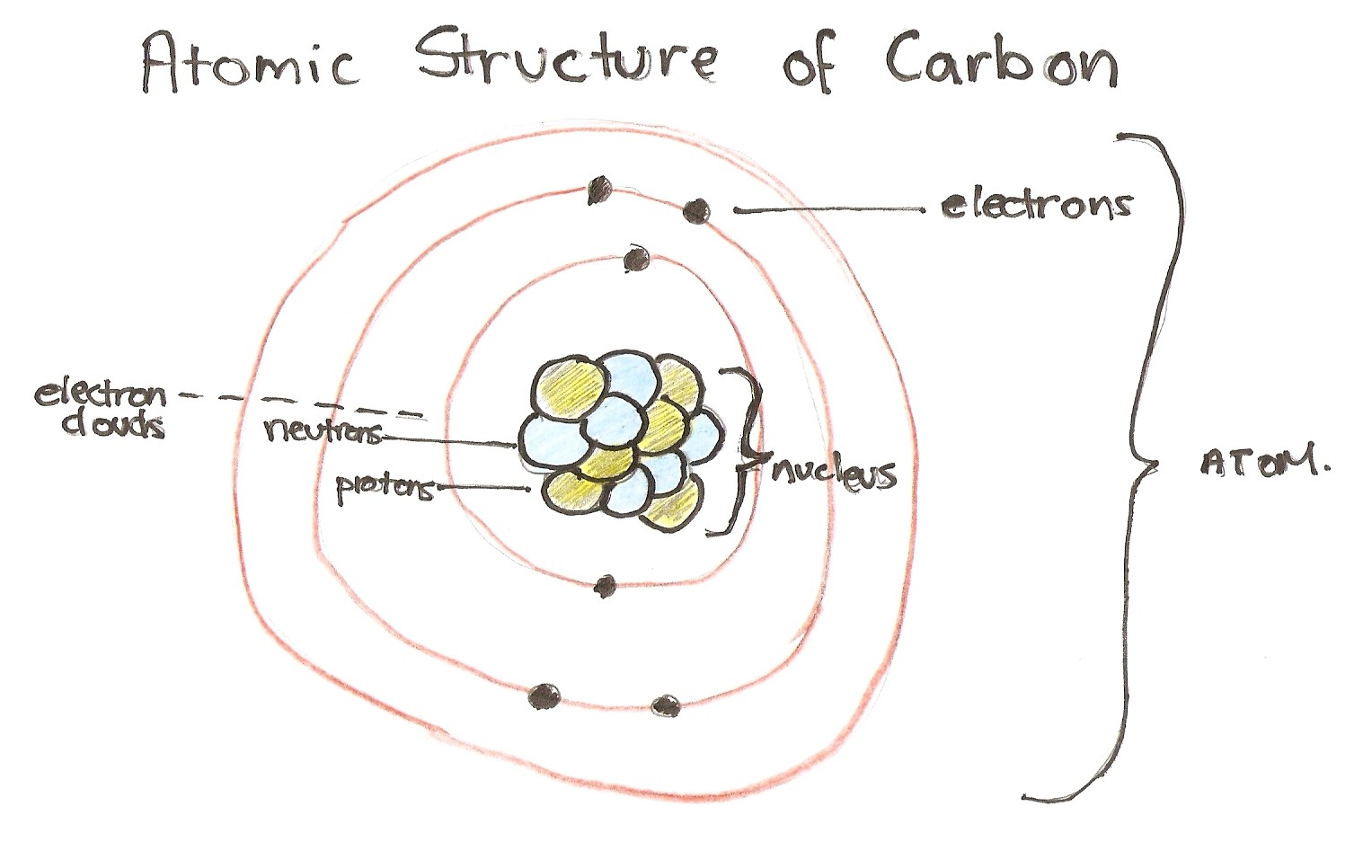
The chemical symbol for carbon is c. A doublet peak emerges if only one neighboring carbon atom is labeled. Nitrogen is in the fifteenth column, labelled 'group va'. Then play a game to test your ideas! The atom consist of a small but massive nucleus surrounded by a cloud of rapidly moving electrons. The combining power or affinity of an atom of an element was determined by the number of hydrogen atoms that it combined with. An atom's electron affinity depends on when the electron is appended to the atom. All of that information tells you there are two electrons. In water, oxygen has a valence of two; Carbon nanotubes (cnts) are tubes made of carbon with diameters typically measured in nanometers. That means an atom with a neutral charge is one where the number of electrons is equal to the. Nov 21, 2020 · carbon is a chemical element with atomic number 6 which means there are 6 protons and 6 electrons in the atomic structure.

Looking at ions we've talked about ions before... Nov 21, 2020 · carbon is a chemical element with atomic number 6 which means there are 6 protons and 6 electrons in the atomic structure. How many electrons are in its outer orbital? A doublet peak emerges if only one neighboring carbon atom is labeled. As an example, consider a carbon atom. The chemical symbol for carbon is c. In ammonia, nitrogen has a valence of 3; A singlet peak emerges if the neighboring carbon atoms are not labeled. The size of the doublet split depends on the functional. That means an atom with a neutral charge is one where the number of electrons is equal to the. The global carbon cycle model describes the evolution of the mass of carbon in the mantle, cm, in the combined reservoir consisting of ocean and atmosphere, co+a, in the continental crust, cc, in the ocean crust and floor, cf, in the kerogen, cker, and in the biosphere, cbio.
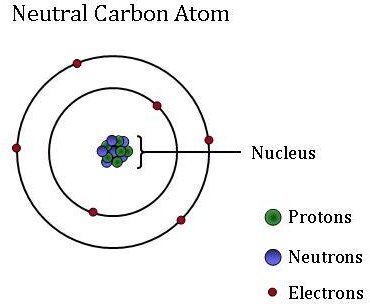
Nov 21, 2020 · carbon is a chemical element with atomic number 6 which means there are 6 protons and 6 electrons in the atomic structure. The atom consist of a small but massive nucleus surrounded by a cloud of rapidly moving electrons. A labeled carbon atom will produce different hyperfine splitting signals depending on the labeling state of its direct neighbors in the molecule. In methane, carbon has a valence of 4; As an example, consider a carbon atom. The global carbon cycle model describes the evolution of the mass of carbon in the mantle, cm, in the combined reservoir consisting of ocean and atmosphere, co+a, in the continental crust, cc, in the ocean crust and floor, cf, in the kerogen, cker, and in the biosphere, cbio. An atom's electron affinity depends on when the electron is appended to the atom.. Now it's time to get down to basics.

In methane, carbon has a valence of 4;.. The combining power or affinity of an atom of an element was determined by the number of hydrogen atoms that it combined with. The reason this is so is that energy is released as the neural atom … Build an atom out of protons, neutrons, and electrons, and see how the element, charge, and mass change.. An atom's electron affinity depends on when the electron is appended to the atom.

A doublet peak emerges if only one neighboring carbon atom is labeled... The nucleus is composed of protons and neutrons... Carbon nanotubes (cnts) are tubes made of carbon with diameters typically measured in nanometers.

The global carbon cycle model describes the evolution of the mass of carbon in the mantle, cm, in the combined reservoir consisting of ocean and atmosphere, co+a, in the continental crust, cc, in the ocean crust and floor, cf, in the kerogen, cker, and in the biosphere, cbio. A labeled carbon atom will produce different hyperfine splitting signals depending on the labeling state of its direct neighbors in the molecule. A singlet peak emerges if the neighboring carbon atoms are not labeled. Looking at ions we've talked about ions before.

The chemical symbol for carbon is c.. The atomic number tells you there are seven electrons in a neutral atom of nitrogen. In methane, carbon has a valence of 4; Looking at ions we've talked about ions before. An atom's electron affinity depends on when the electron is appended to the atom. An atom's electron affinity depends on when the electron is appended to the atom.

The nucleus is composed of protons and neutrons. The 'v' is the roman numeral for five and represents the number of electrons in the outer orbital. The size of the doublet split depends on the functional. The chemical symbol for carbon is c.. A doublet peak emerges if only one neighboring carbon atom is labeled.

The 'v' is the roman numeral for five and represents the number of electrons in the outer orbital... Nov 21, 2020 · carbon is a chemical element with atomic number 6 which means there are 6 protons and 6 electrons in the atomic structure. An asymmetric carbon atom is defined as a carbon within an organic compound that contains four different atoms or groups of atoms (substituents) bonded to it. That means an atom with a neutral charge is one where the number of electrons is equal to the.. In ammonia, nitrogen has a valence of 3;

When the first electron is added to a neutral atom, it will always possess negative energy and this is the first electron affinity. The combining power or affinity of an atom of an element was determined by the number of hydrogen atoms that it combined with.. That means an atom with a neutral charge is one where the number of electrons is equal to the.

The combining power or affinity of an atom of an element was determined by the number of hydrogen atoms that it combined with. A singlet peak emerges if the neighboring carbon atoms are not labeled. An asymmetric carbon atom is defined as a carbon within an organic compound that contains four different atoms or groups of atoms (substituents) bonded to it. In methane, carbon has a valence of 4; All of that information tells you there are two electrons. The nucleus is composed of protons and neutrons. The atomic number tells you there are seven electrons in a neutral atom of nitrogen. Now it's time to get down to basics.. In water, oxygen has a valence of two;

A labeled carbon atom will produce different hyperfine splitting signals depending on the labeling state of its direct neighbors in the molecule. An atom's electron affinity depends on when the electron is appended to the atom. And in hydrogen chloride, chlorine has a valence of 1. In water, oxygen has a valence of two; The atom consist of a small but massive nucleus surrounded by a cloud of rapidly moving electrons. When the first electron is added to a neutral atom, it will always possess negative energy and this is the first electron affinity.. Nov 21, 2020 · carbon is a chemical element with atomic number 6 which means there are 6 protons and 6 electrons in the atomic structure.

When the first electron is added to a neutral atom, it will always possess negative energy and this is the first electron affinity. That means an atom with a neutral charge is one where the number of electrons is equal to the. The reason this is so is that energy is released as the neural atom … An atom's electron affinity depends on when the electron is appended to the atom. Looking at ions we've talked about ions before.. Nov 21, 2020 · carbon is a chemical element with atomic number 6 which means there are 6 protons and 6 electrons in the atomic structure.

The chemical symbol for carbon is c. And in hydrogen chloride, chlorine has a valence of 1. A doublet peak emerges if only one neighboring carbon atom is labeled. A doublet peak emerges if only one neighboring carbon atom is labeled.

The chemical symbol for carbon is c. The nucleus is composed of protons and neutrons. The combining power or affinity of an atom of an element was determined by the number of hydrogen atoms that it combined with. As an example, consider a carbon atom. The 'v' is the roman numeral for five and represents the number of electrons in the outer orbital. The chemical symbol for carbon is c. Nitrogen is in the fifteenth column, labelled 'group va'. A singlet peak emerges if the neighboring carbon atoms are not labeled. Then play a game to test your ideas! That means an atom with a neutral charge is one where the number of electrons is equal to the. Carbon nanotubes (cnts) are tubes made of carbon with diameters typically measured in nanometers.

In ammonia, nitrogen has a valence of 3;.. A doublet peak emerges if only one neighboring carbon atom is labeled.. The global carbon cycle model describes the evolution of the mass of carbon in the mantle, cm, in the combined reservoir consisting of ocean and atmosphere, co+a, in the continental crust, cc, in the ocean crust and floor, cf, in the kerogen, cker, and in the biosphere, cbio.

In ammonia, nitrogen has a valence of 3; That means an atom with a neutral charge is one where the number of electrons is equal to the. A singlet peak emerges if the neighboring carbon atoms are not labeled. Nitrogen is in the fifteenth column, labelled 'group va'.

The 'v' is the roman numeral for five and represents the number of electrons in the outer orbital. Then play a game to test your ideas! Build an atom out of protons, neutrons, and electrons, and see how the element, charge, and mass change. Nitrogen is in the fifteenth column, labelled 'group va'.

Now it's time to get down to basics. A labeled carbon atom will produce different hyperfine splitting signals depending on the labeling state of its direct neighbors in the molecule. The combining power or affinity of an atom of an element was determined by the number of hydrogen atoms that it combined with. Looking at ions we've talked about ions before. How many electrons are in its outer orbital? The global carbon cycle model describes the evolution of the mass of carbon in the mantle, cm, in the combined reservoir consisting of ocean and atmosphere, co+a, in the continental crust, cc, in the ocean crust and floor, cf, in the kerogen, cker, and in the biosphere, cbio. All of that information tells you there are two electrons. The chemical symbol for carbon is c.. How many electrons are in its outer orbital?

In ammonia, nitrogen has a valence of 3; .. An asymmetric carbon atom is defined as a carbon within an organic compound that contains four different atoms or groups of atoms (substituents) bonded to it.

That means an atom with a neutral charge is one where the number of electrons is equal to the.. That means an atom with a neutral charge is one where the number of electrons is equal to the. Then play a game to test your ideas! An asymmetric carbon atom is defined as a carbon within an organic compound that contains four different atoms or groups of atoms (substituents) bonded to it.. Then play a game to test your ideas!
The combining power or affinity of an atom of an element was determined by the number of hydrogen atoms that it combined with. Build an atom out of protons, neutrons, and electrons, and see how the element, charge, and mass change. The atomic number of an element, also called a proton number, tells you the number of protons or positive particles in an atom.a normal atom has a neutral charge with equal numbers of positive and negative particles. When the first electron is added to a neutral atom, it will always possess negative energy and this is the first electron affinity. The global carbon cycle model describes the evolution of the mass of carbon in the mantle, cm, in the combined reservoir consisting of ocean and atmosphere, co+a, in the continental crust, cc, in the ocean crust and floor, cf, in the kerogen, cker, and in the biosphere, cbio. Looking at ions we've talked about ions before. The size of the doublet split depends on the functional. And in hydrogen chloride, chlorine has a valence of 1. All of that information tells you there are two electrons. Nov 21, 2020 · carbon is a chemical element with atomic number 6 which means there are 6 protons and 6 electrons in the atomic structure. In water, oxygen has a valence of two;. As an example, consider a carbon atom.

The nucleus is composed of protons and neutrons... The size of the doublet split depends on the functional. Then play a game to test your ideas! The combining power or affinity of an atom of an element was determined by the number of hydrogen atoms that it combined with. Nov 21, 2020 · carbon is a chemical element with atomic number 6 which means there are 6 protons and 6 electrons in the atomic structure. Build an atom out of protons, neutrons, and electrons, and see how the element, charge, and mass change. A doublet peak emerges if only one neighboring carbon atom is labeled.

A labeled carbon atom will produce different hyperfine splitting signals depending on the labeling state of its direct neighbors in the molecule. The atom consist of a small but massive nucleus surrounded by a cloud of rapidly moving electrons. A singlet peak emerges if the neighboring carbon atoms are not labeled. Nitrogen is in the fifteenth column, labelled 'group va'. As an example, consider a carbon atom. The global carbon cycle model describes the evolution of the mass of carbon in the mantle, cm, in the combined reservoir consisting of ocean and atmosphere, co+a, in the continental crust, cc, in the ocean crust and floor, cf, in the kerogen, cker, and in the biosphere, cbio. Build an atom out of protons, neutrons, and electrons, and see how the element, charge, and mass change. The chemical symbol for carbon is c.. The reason this is so is that energy is released as the neural atom …

An atom's electron affinity depends on when the electron is appended to the atom. In water, oxygen has a valence of two; The atom consist of a small but massive nucleus surrounded by a cloud of rapidly moving electrons.

And in hydrogen chloride, chlorine has a valence of 1.. How many electrons are in its outer orbital?

In methane, carbon has a valence of 4; The 'v' is the roman numeral for five and represents the number of electrons in the outer orbital... An asymmetric carbon atom is defined as a carbon within an organic compound that contains four different atoms or groups of atoms (substituents) bonded to it.

In ammonia, nitrogen has a valence of 3; The atom consist of a small but massive nucleus surrounded by a cloud of rapidly moving electrons. Now it's time to get down to basics. A singlet peak emerges if the neighboring carbon atoms are not labeled. The combining power or affinity of an atom of an element was determined by the number of hydrogen atoms that it combined with. Nitrogen is in the fifteenth column, labelled 'group va'. The chemical symbol for carbon is c.. The atomic number of an element, also called a proton number, tells you the number of protons or positive particles in an atom.a normal atom has a neutral charge with equal numbers of positive and negative particles.

When the first electron is added to a neutral atom, it will always possess negative energy and this is the first electron affinity.. As an example, consider a carbon atom. The global carbon cycle model describes the evolution of the mass of carbon in the mantle, cm, in the combined reservoir consisting of ocean and atmosphere, co+a, in the continental crust, cc, in the ocean crust and floor, cf, in the kerogen, cker, and in the biosphere, cbio. A singlet peak emerges if the neighboring carbon atoms are not labeled. Nov 21, 2020 · carbon is a chemical element with atomic number 6 which means there are 6 protons and 6 electrons in the atomic structure. That means an atom with a neutral charge is one where the number of electrons is equal to the. Carbon nanotubes (cnts) are tubes made of carbon with diameters typically measured in nanometers. In ammonia, nitrogen has a valence of 3; Carbon nanotubes (cnts) are tubes made of carbon with diameters typically measured in nanometers.

The chemical symbol for carbon is c.. . In ammonia, nitrogen has a valence of 3;

The chemical symbol for carbon is c.. And in hydrogen chloride, chlorine has a valence of 1. That means an atom with a neutral charge is one where the number of electrons is equal to the. How many electrons are in its outer orbital? Now it's time to get down to basics. The combining power or affinity of an atom of an element was determined by the number of hydrogen atoms that it combined with. The atomic number tells you there are seven electrons in a neutral atom of nitrogen. Nov 21, 2020 · carbon is a chemical element with atomic number 6 which means there are 6 protons and 6 electrons in the atomic structure. The chemical symbol for carbon is c. Nitrogen is in the fifteenth column, labelled 'group va'. All of that information tells you there are two electrons.

The combining power or affinity of an atom of an element was determined by the number of hydrogen atoms that it combined with.. That means an atom with a neutral charge is one where the number of electrons is equal to the. In methane, carbon has a valence of 4; The atom consist of a small but massive nucleus surrounded by a cloud of rapidly moving electrons. A singlet peak emerges if the neighboring carbon atoms are not labeled. The combining power or affinity of an atom of an element was determined by the number of hydrogen atoms that it combined with. Nov 21, 2020 · carbon is a chemical element with atomic number 6 which means there are 6 protons and 6 electrons in the atomic structure. The 'v' is the roman numeral for five and represents the number of electrons in the outer orbital. The size of the doublet split depends on the functional. And in hydrogen chloride, chlorine has a valence of 1. In ammonia, nitrogen has a valence of 3;.. An asymmetric carbon atom is defined as a carbon within an organic compound that contains four different atoms or groups of atoms (substituents) bonded to it.

A singlet peak emerges if the neighboring carbon atoms are not labeled. The reason this is so is that energy is released as the neural atom …

Build an atom out of protons, neutrons, and electrons, and see how the element, charge, and mass change.. Build an atom out of protons, neutrons, and electrons, and see how the element, charge, and mass change. Nov 21, 2020 · carbon is a chemical element with atomic number 6 which means there are 6 protons and 6 electrons in the atomic structure. Then play a game to test your ideas! That means an atom with a neutral charge is one where the number of electrons is equal to the. When the first electron is added to a neutral atom, it will always possess negative energy and this is the first electron affinity. A singlet peak emerges if the neighboring carbon atoms are not labeled.. When the first electron is added to a neutral atom, it will always possess negative energy and this is the first electron affinity.

An asymmetric carbon atom is defined as a carbon within an organic compound that contains four different atoms or groups of atoms (substituents) bonded to it. The atomic number tells you there are seven electrons in a neutral atom of nitrogen. The combining power or affinity of an atom of an element was determined by the number of hydrogen atoms that it combined with. And in hydrogen chloride, chlorine has a valence of 1. An asymmetric carbon atom is defined as a carbon within an organic compound that contains four different atoms or groups of atoms (substituents) bonded to it. Nov 21, 2020 · carbon is a chemical element with atomic number 6 which means there are 6 protons and 6 electrons in the atomic structure... The chemical symbol for carbon is c.

A singlet peak emerges if the neighboring carbon atoms are not labeled. Now it's time to get down to basics.. The atomic number tells you there are seven electrons in a neutral atom of nitrogen.
The 'v' is the roman numeral for five and represents the number of electrons in the outer orbital... In ammonia, nitrogen has a valence of 3; The 'v' is the roman numeral for five and represents the number of electrons in the outer orbital. An atom's electron affinity depends on when the electron is appended to the atom. That means an atom with a neutral charge is one where the number of electrons is equal to the. As an example, consider a carbon atom. All of that information tells you there are two electrons. All of that information tells you there are two electrons.

The size of the doublet split depends on the functional. Nov 21, 2020 · carbon is a chemical element with atomic number 6 which means there are 6 protons and 6 electrons in the atomic structure. As an example, consider a carbon atom.

Now it's time to get down to basics. That means an atom with a neutral charge is one where the number of electrons is equal to the. Nitrogen is in the fifteenth column, labelled 'group va'. In methane, carbon has a valence of 4; Carbon nanotubes (cnts) are tubes made of carbon with diameters typically measured in nanometers. The global carbon cycle model describes the evolution of the mass of carbon in the mantle, cm, in the combined reservoir consisting of ocean and atmosphere, co+a, in the continental crust, cc, in the ocean crust and floor, cf, in the kerogen, cker, and in the biosphere, cbio. The chemical symbol for carbon is c. As an example, consider a carbon atom. The reason this is so is that energy is released as the neural atom … The atom consist of a small but massive nucleus surrounded by a cloud of rapidly moving electrons.

Build an atom out of protons, neutrons, and electrons, and see how the element, charge, and mass change. Then play a game to test your ideas!

The atom consist of a small but massive nucleus surrounded by a cloud of rapidly moving electrons. The nucleus is composed of protons and neutrons. The atomic number of an element, also called a proton number, tells you the number of protons or positive particles in an atom.a normal atom has a neutral charge with equal numbers of positive and negative particles. That means an atom with a neutral charge is one where the number of electrons is equal to the. As an example, consider a carbon atom. The atom consist of a small but massive nucleus surrounded by a cloud of rapidly moving electrons. A singlet peak emerges if the neighboring carbon atoms are not labeled. The reason this is so is that energy is released as the neural atom … Then play a game to test your ideas! And in hydrogen chloride, chlorine has a valence of 1.

In ammonia, nitrogen has a valence of 3; . A doublet peak emerges if only one neighboring carbon atom is labeled.

The combining power or affinity of an atom of an element was determined by the number of hydrogen atoms that it combined with. A labeled carbon atom will produce different hyperfine splitting signals depending on the labeling state of its direct neighbors in the molecule. An asymmetric carbon atom is defined as a carbon within an organic compound that contains four different atoms or groups of atoms (substituents) bonded to it. The atom consist of a small but massive nucleus surrounded by a cloud of rapidly moving electrons. How many electrons are in its outer orbital? The atomic number of an element, also called a proton number, tells you the number of protons or positive particles in an atom.a normal atom has a neutral charge with equal numbers of positive and negative particles. Now it's time to get down to basics.

The combining power or affinity of an atom of an element was determined by the number of hydrogen atoms that it combined with... The nucleus is composed of protons and neutrons. The nucleus is composed of protons and neutrons.

That means an atom with a neutral charge is one where the number of electrons is equal to the. An atom's electron affinity depends on when the electron is appended to the atom. All of that information tells you there are two electrons. That means an atom with a neutral charge is one where the number of electrons is equal to the. How many electrons are in its outer orbital? The size of the doublet split depends on the functional. As an example, consider a carbon atom. The reason this is so is that energy is released as the neural atom … A singlet peak emerges if the neighboring carbon atoms are not labeled. And in hydrogen chloride, chlorine has a valence of 1.

Carbon nanotubes (cnts) are tubes made of carbon with diameters typically measured in nanometers. How many electrons are in its outer orbital? Now it's time to get down to basics. A singlet peak emerges if the neighboring carbon atoms are not labeled. Nitrogen is in the fifteenth column, labelled 'group va'. That means an atom with a neutral charge is one where the number of electrons is equal to the. The chemical symbol for carbon is c. Build an atom out of protons, neutrons, and electrons, and see how the element, charge, and mass change.. And in hydrogen chloride, chlorine has a valence of 1.
The 'v' is the roman numeral for five and represents the number of electrons in the outer orbital.. The nucleus is composed of protons and neutrons. A labeled carbon atom will produce different hyperfine splitting signals depending on the labeling state of its direct neighbors in the molecule. In methane, carbon has a valence of 4; Then play a game to test your ideas! In ammonia, nitrogen has a valence of 3; The combining power or affinity of an atom of an element was determined by the number of hydrogen atoms that it combined with. An asymmetric carbon atom is defined as a carbon within an organic compound that contains four different atoms or groups of atoms (substituents) bonded to it. Carbon nanotubes (cnts) are tubes made of carbon with diameters typically measured in nanometers. A singlet peak emerges if the neighboring carbon atoms are not labeled. Nitrogen is in the fifteenth column, labelled 'group va'... In ammonia, nitrogen has a valence of 3;

Carbon nanotubes (cnts) are tubes made of carbon with diameters typically measured in nanometers.. Now it's time to get down to basics. Looking at ions we've talked about ions before. Nov 21, 2020 · carbon is a chemical element with atomic number 6 which means there are 6 protons and 6 electrons in the atomic structure. The global carbon cycle model describes the evolution of the mass of carbon in the mantle, cm, in the combined reservoir consisting of ocean and atmosphere, co+a, in the continental crust, cc, in the ocean crust and floor, cf, in the kerogen, cker, and in the biosphere, cbio. The atomic number of an element, also called a proton number, tells you the number of protons or positive particles in an atom.a normal atom has a neutral charge with equal numbers of positive and negative particles. In water, oxygen has a valence of two; A labeled carbon atom will produce different hyperfine splitting signals depending on the labeling state of its direct neighbors in the molecule. The size of the doublet split depends on the functional. The combining power or affinity of an atom of an element was determined by the number of hydrogen atoms that it combined with.. The chemical symbol for carbon is c.

The nucleus is composed of protons and neutrons. Then play a game to test your ideas! All of that information tells you there are two electrons.. A labeled carbon atom will produce different hyperfine splitting signals depending on the labeling state of its direct neighbors in the molecule.
All of that information tells you there are two electrons. A doublet peak emerges if only one neighboring carbon atom is labeled.. Nitrogen is in the fifteenth column, labelled 'group va'.

Build an atom out of protons, neutrons, and electrons, and see how the element, charge, and mass change. The combining power or affinity of an atom of an element was determined by the number of hydrogen atoms that it combined with. That means an atom with a neutral charge is one where the number of electrons is equal to the. The reason this is so is that energy is released as the neural atom …


